Feeds:
Posts
Comments

Pumpkin Patch


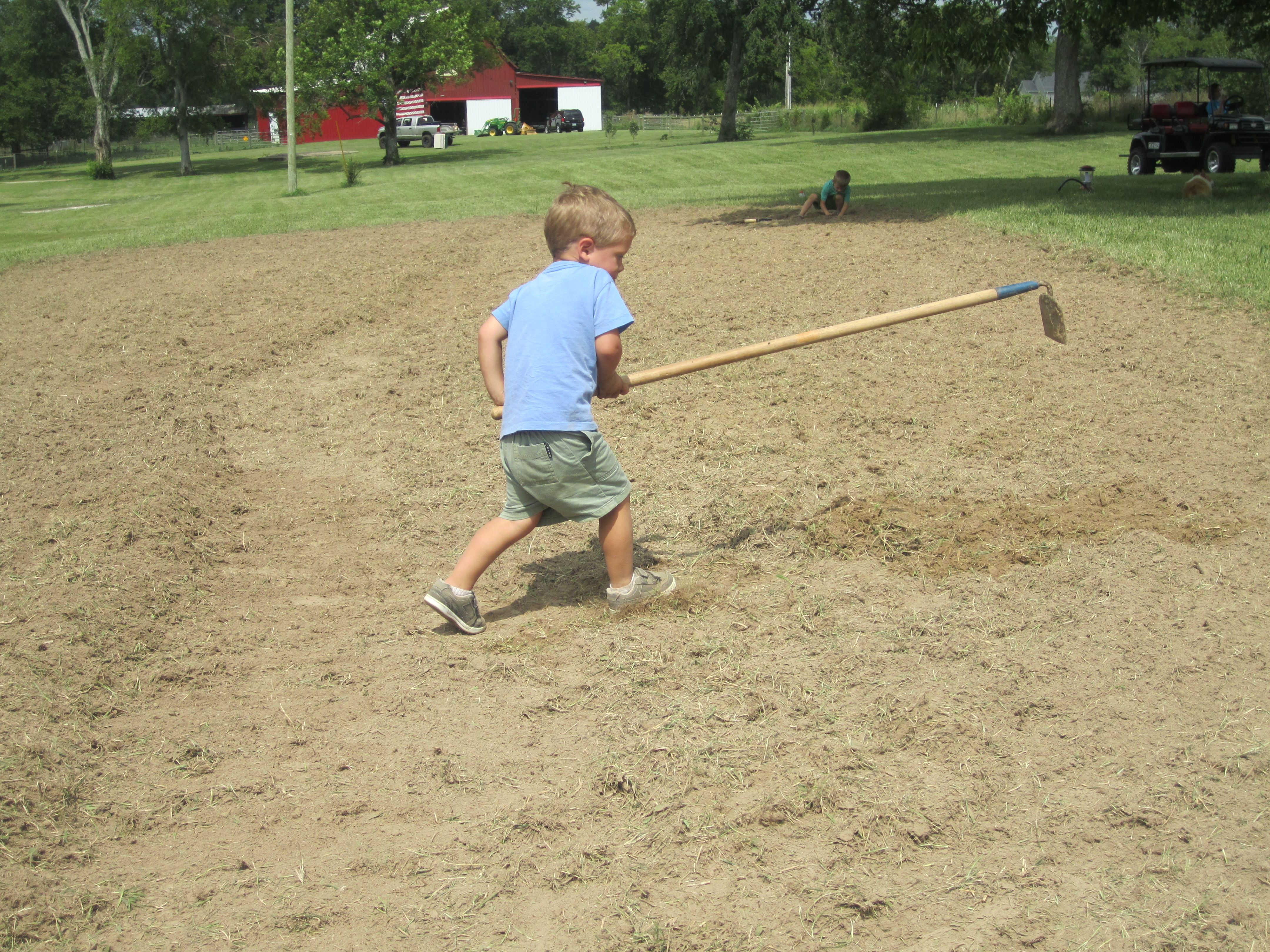
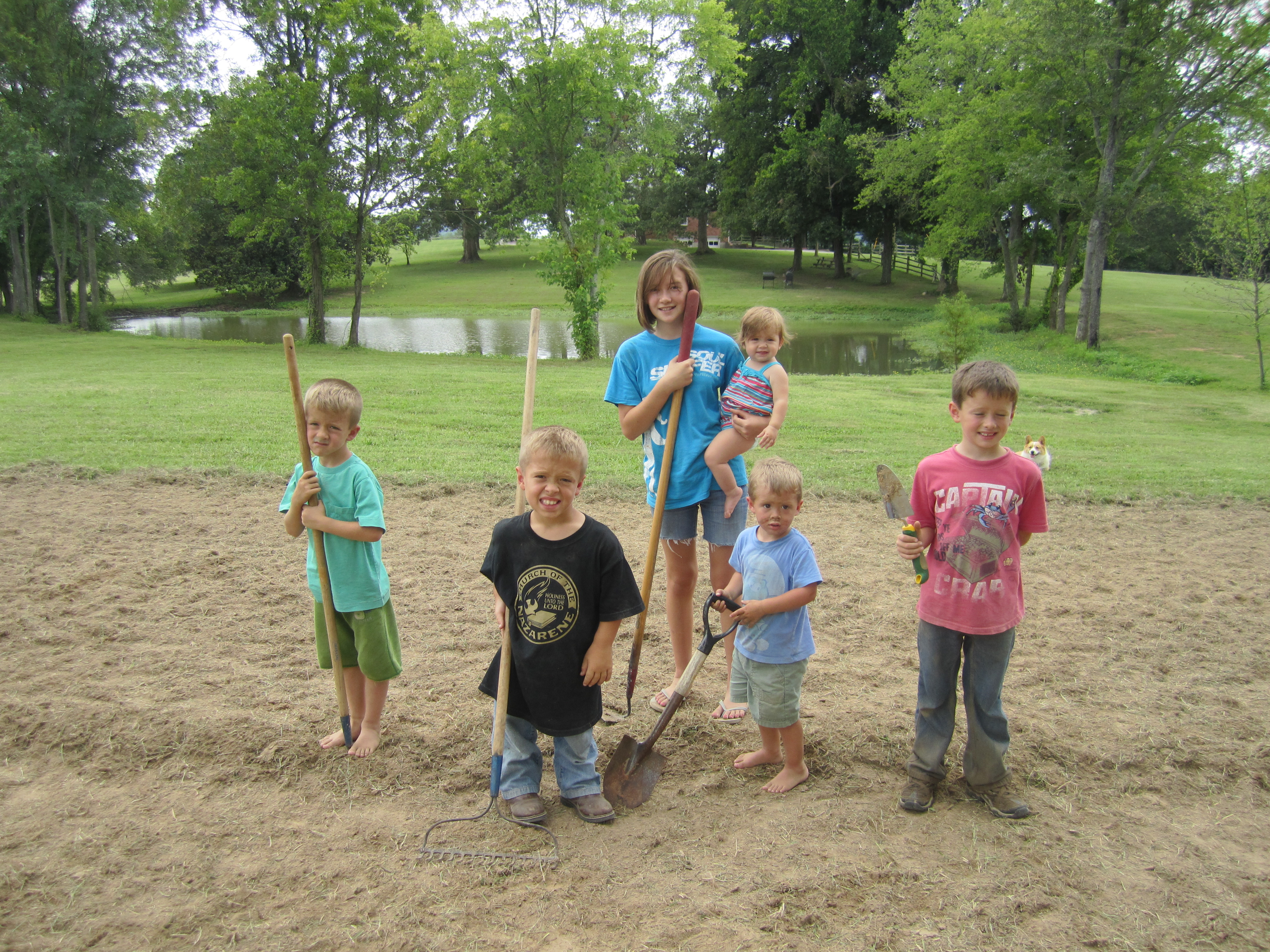
We got outside bright and early Saturday to beat the heat and plant our first pumpkin patch.  This fun project isn’t just for fun though.  We’re going to run it like a small 90 day business for the kids, keeping up with expenses and selling the pumpkins just in time for Halloween.  You can follow it at http://galloway6.com/ .

Snapping Turtle!

So far all of the turtles we’ve seen in our pond have been common harmless pond turtles.  But recently the kids came across this snapping turtle in a field next to the pond.  Let’s just say that turtle had our respect very quickly!

July 4th

A great time was had by all at our first ever 4th of July party.  Lots of food, fishing, water fun, face painting, visiting with good friends and family, and our first ever fireworks show.


Three family members in attendance represented the Air Force, Army and Marines at our party.  One of the highlights of the night was the new tradition of everyone parading to the barn while waving their flags.  Once at the barn, everyone recited the Pledge of Allegiance and then enjoyed a trumpet solo in front of the flag just before the fireworks show.

LPA Splash Party!

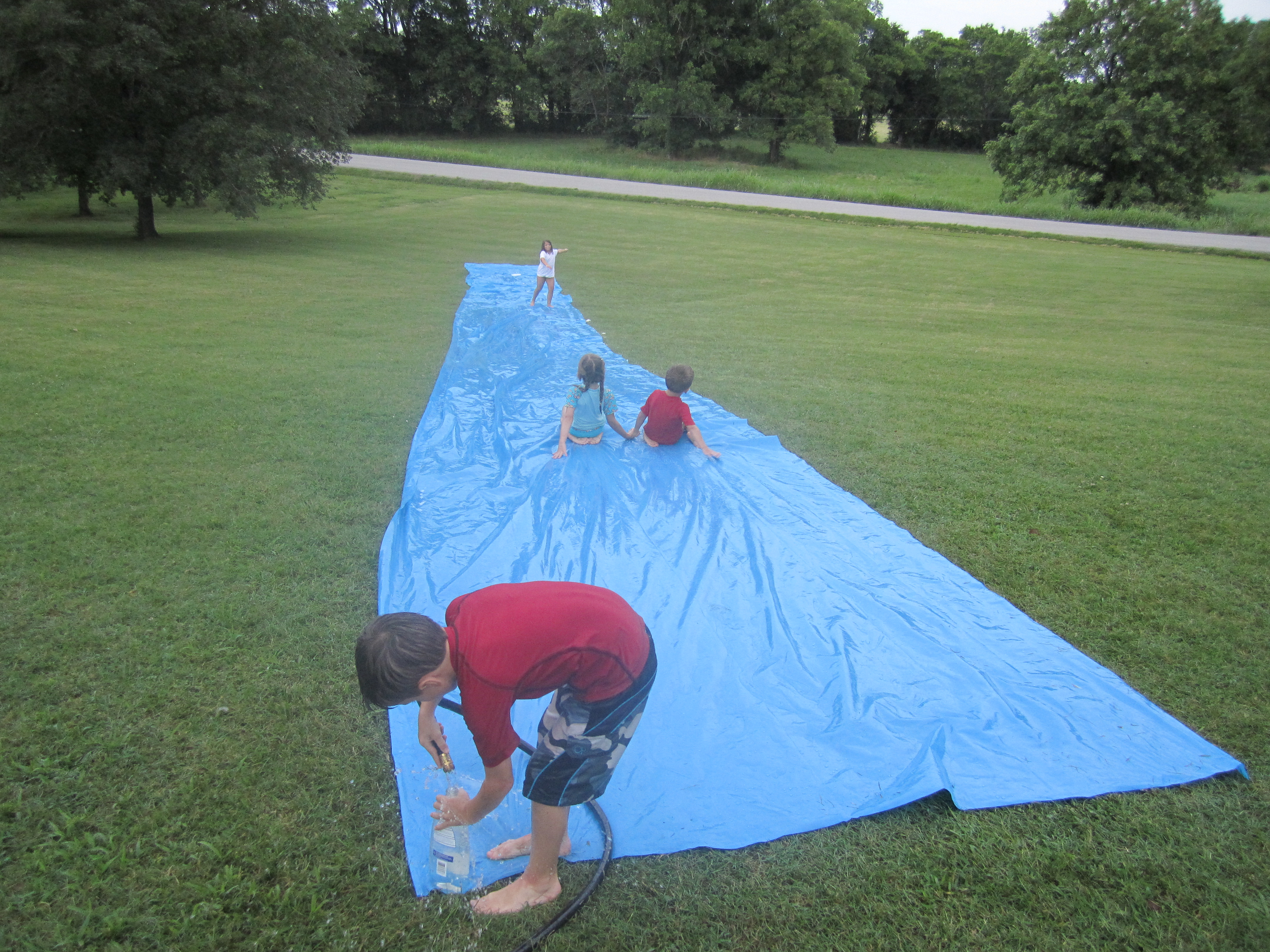
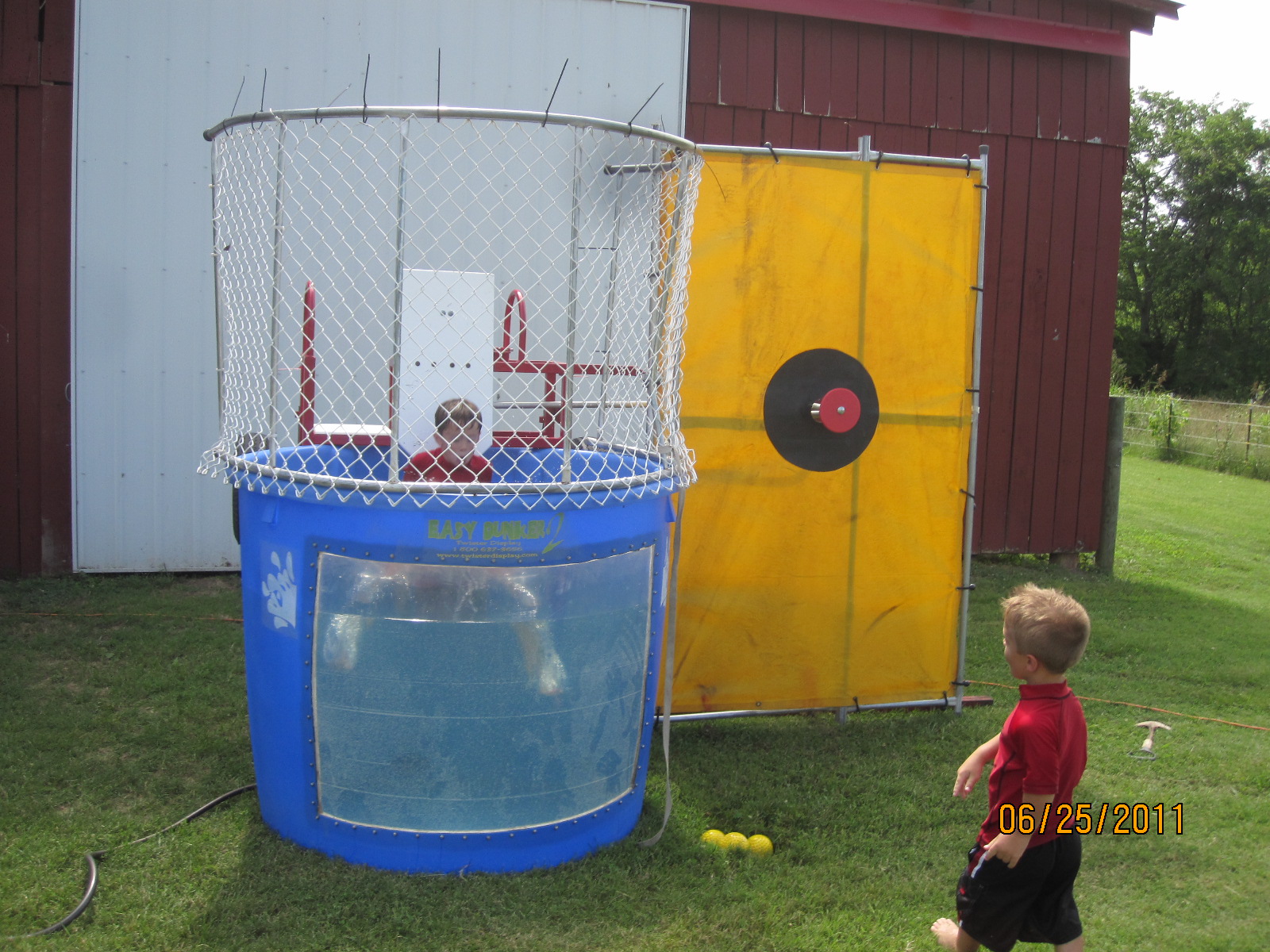
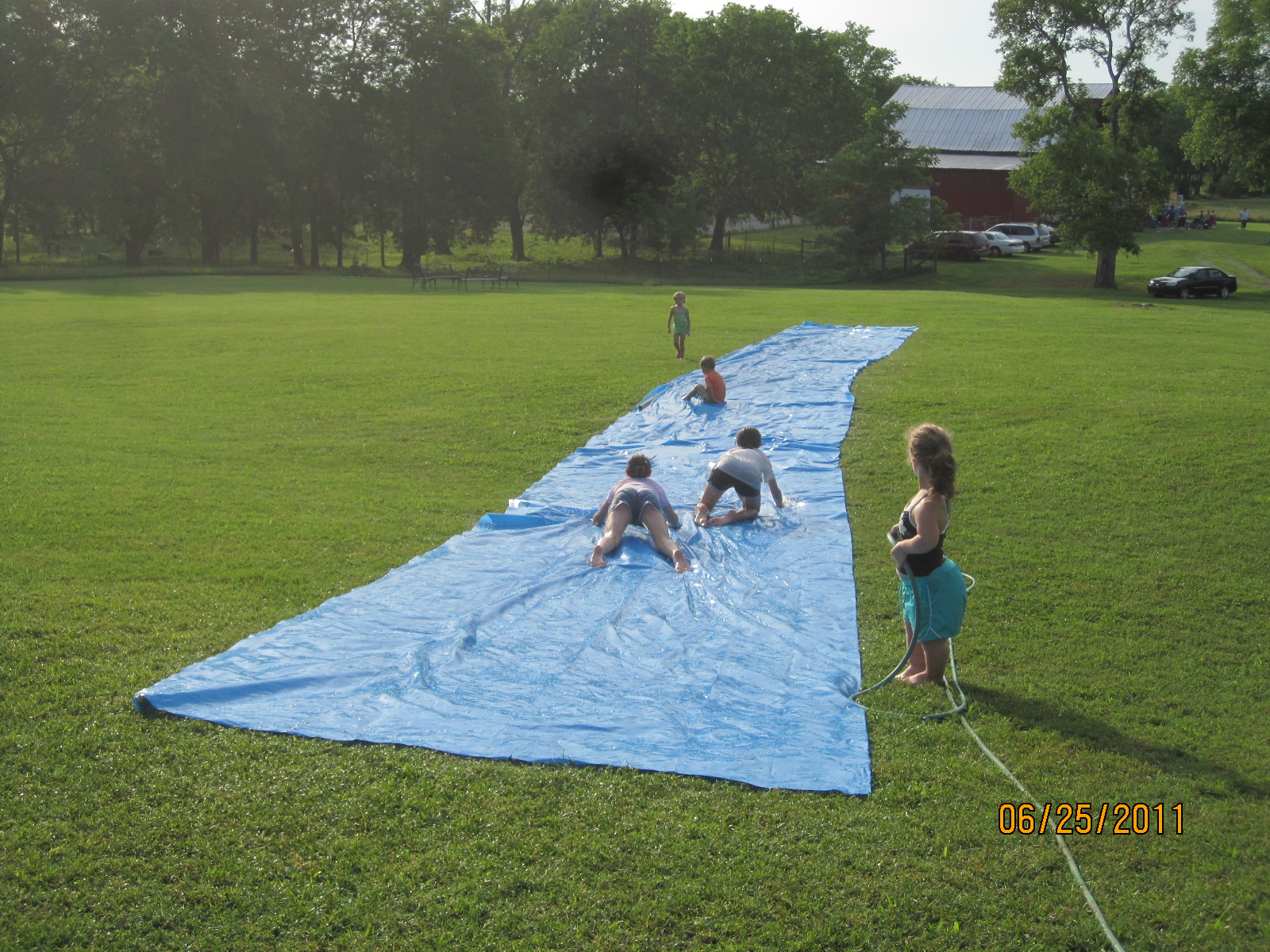
We had such a fun time together at our June Little People of America gathering as nearly 60 showed up for a hot summer afternoon of food and fun.  From the volcano water slide to the dunking booth to the abundance of good food, I think all would agree that the best part was being together with old friends and new ones.  For several attending, this was their first LPA meeting and for others it was the first in many years.  It was so good to be together and to see our kids having fun together. 

Brothers


Baby apples, about the size of a large grape right now.

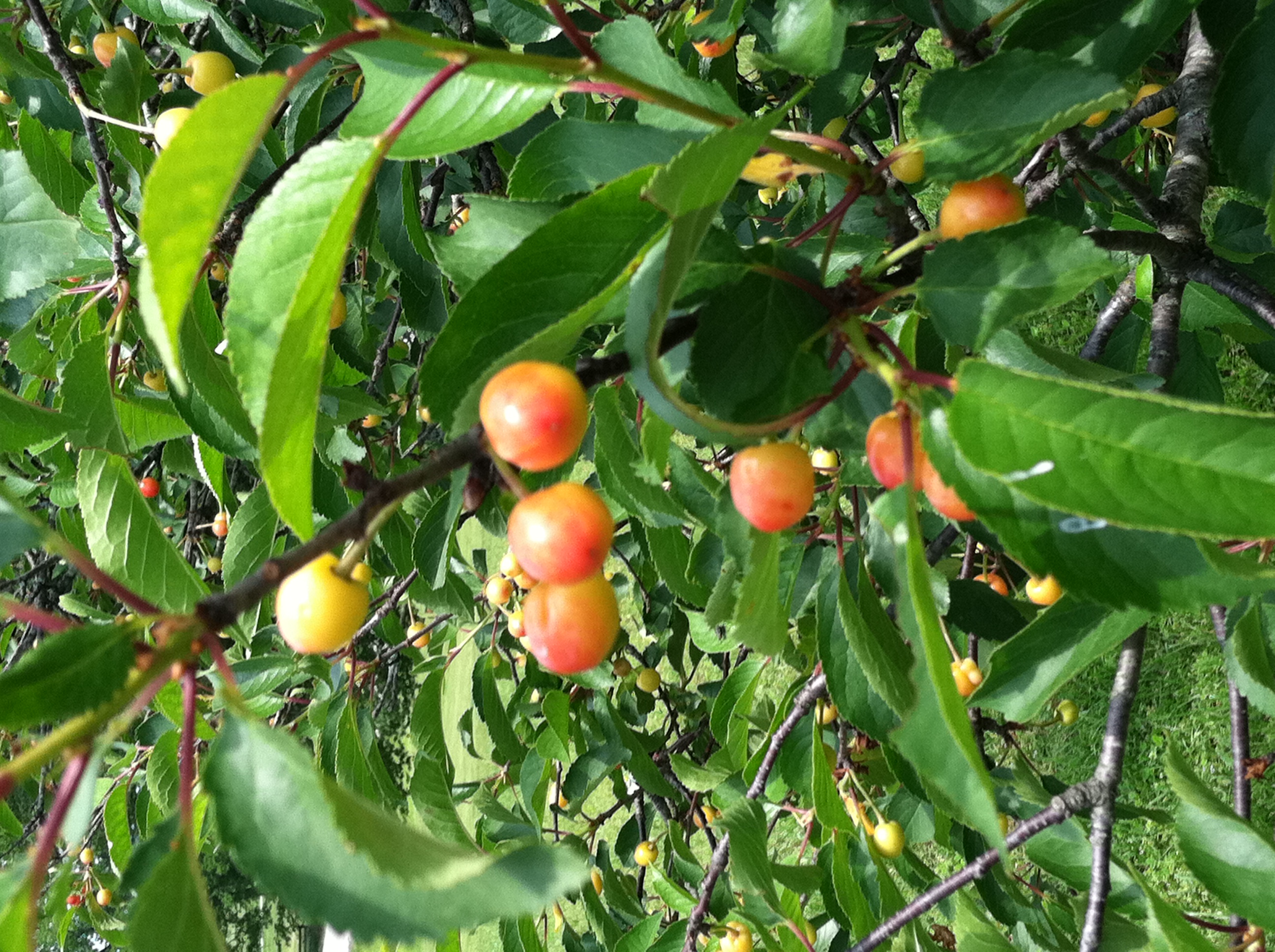
New cherries just starting to turn red.


Springtime brings new fruit on the fruit trees. Starting with a large new crop is the easy part. Keeping the bugs, worms, and molds from ruining it is the hard part. This winter, we’ve done some pruning and spraying for bugs/molds that I hope will help yield a nice fruit crop for cobblers and afternoon snacks.
 

Cicadas!

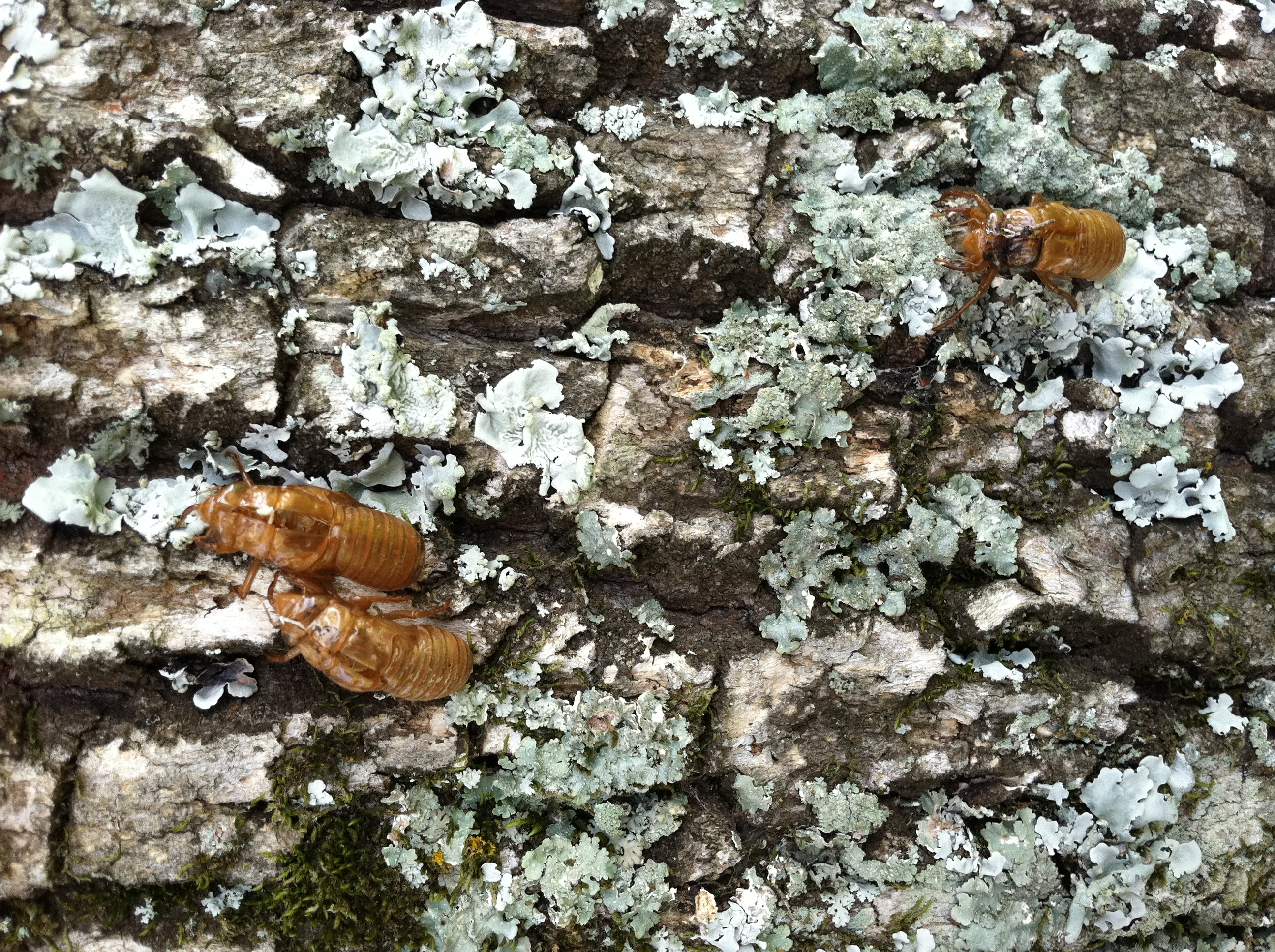
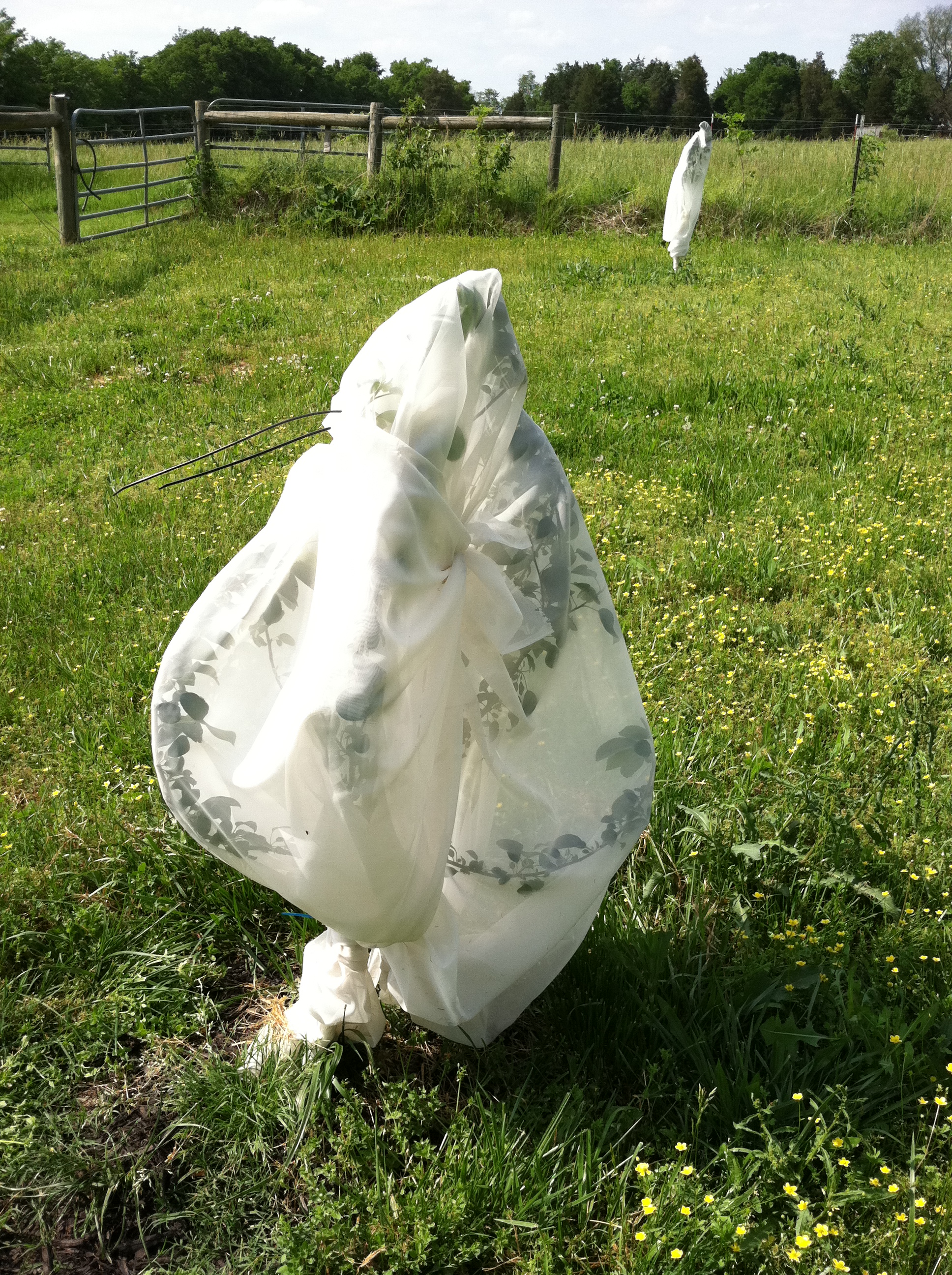
 The 13 year Cicadas began arriving at our farm a week or so ago.  They are everywhere!  Thankfully, they only stay around for a matter of weeks.  I actually like the sound of them singing for some reason…I think it reminds me of summers growing up.  And I chose the wrong year to plant six new apple saplings.  Cicadas love to lay eggs in the branches of young fruit trees which can kill them.

(turn up your speakers to hear what thousands of cicadas sound like)

Young Apple Tree Hiding From Cicadas Under Netting


So here is a collection of facts that you never knew about these noisy visitors.
 
First, they are not locusts. They are a completely
different species. Locusts are more akin to
grasshoppers.
 
They do not bite or sting. And they are not attracted
to humans, despite the fact that they may fly into you
as they are buzzing around.
 
There are two different cicada cycles; a 13-year
cycle and a 17-year cycle. Cicadas of the latter variety
are generally found in the northern United States.
 
While they arrive every 13 or 17 years, that doesn’t 
mean they won’t be seen in a particular state again
before then. (They made news in the Midwest in 2007 
.) That’s because within the species there are different
broods, each with a different timeline. Hence, the next
emergence of cicadas in Tennessee, Brood XXIII, will
happen in 2015. That brood will mostly be isolated to
the western part of the state.
 
Cicadas usually arrive in early May, after surviving
underground by feeding on tree roots. They emerge
from the ground when the soil temperature where
they live reaches 67 degrees. Four or five days later,
the males begin their “chorus” and mating begins.The females then begin laying eggs in the limbs of
smaller trees, as many as 400 to 600 eggs at a time.
After six to seven weeks the eggs hatch and the
“nymphs,” as they are called, drop to the ground and
burrow into the soil where they remain for 13 to 17
years.

It is the laying of eggs that poses a danger to small
flowering and fruit trees. A female can make five to 20
slits in one branch to deposit her eggs. That causes
the branch eventually to wilt and die.

Cicadas: Protect Trees With Cheesecloth
The time from emergence to death is approximately four to five weeks.

After that the cicadas die quickly.

It’s not uncommon to find hundreds of dead cicadas piled up under trees in early June.

When they die and decompose, the nitrogen in their bodies fertilizes the soil.
Yuck

I put the animal cam on the floor near a feed bag where I suspected some barn mice.  To my surprise, it wasn’t mice…it was an opossum.  These things are so nasty.  They look like giant rats.
Birthday Party x 3

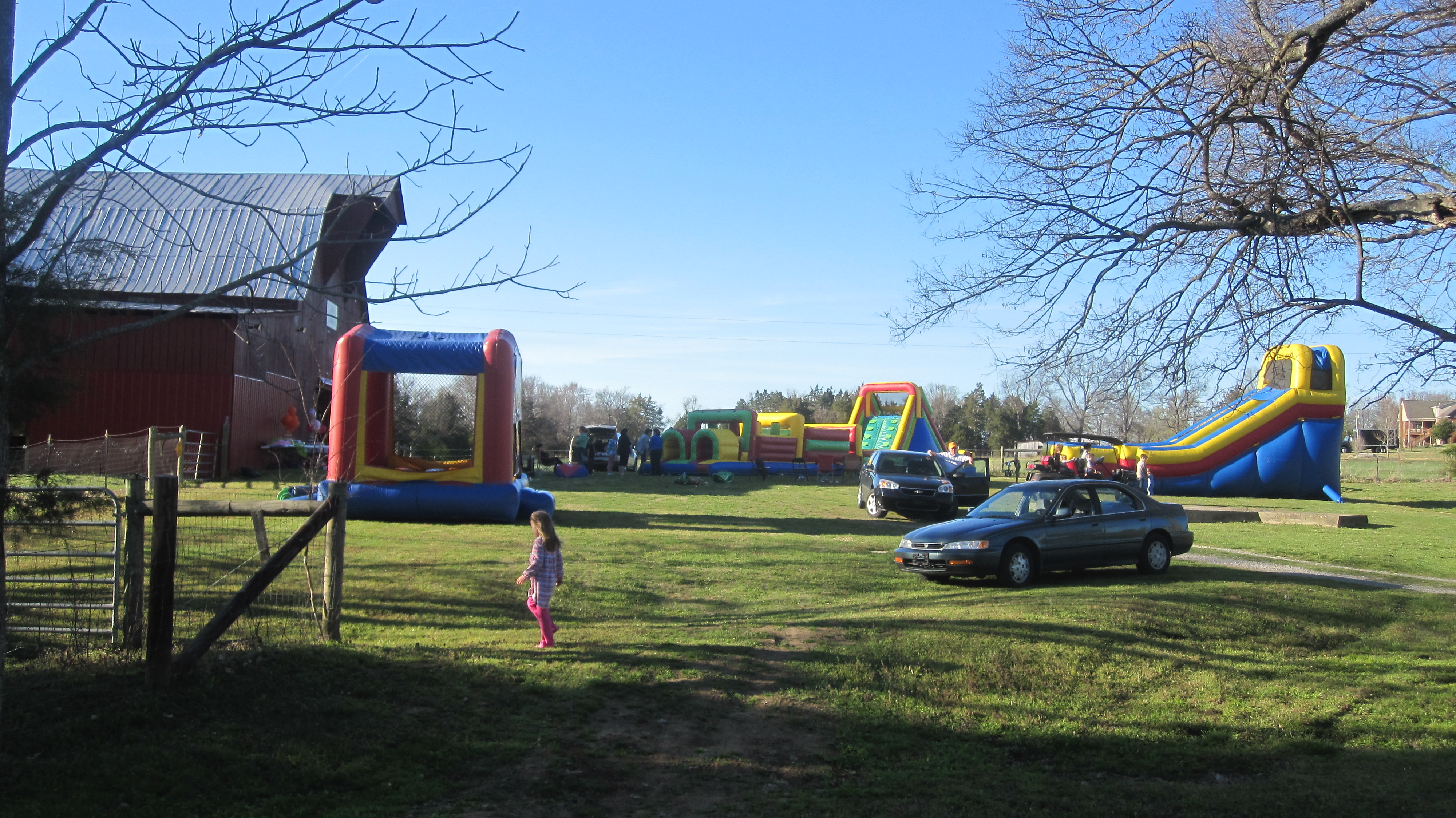
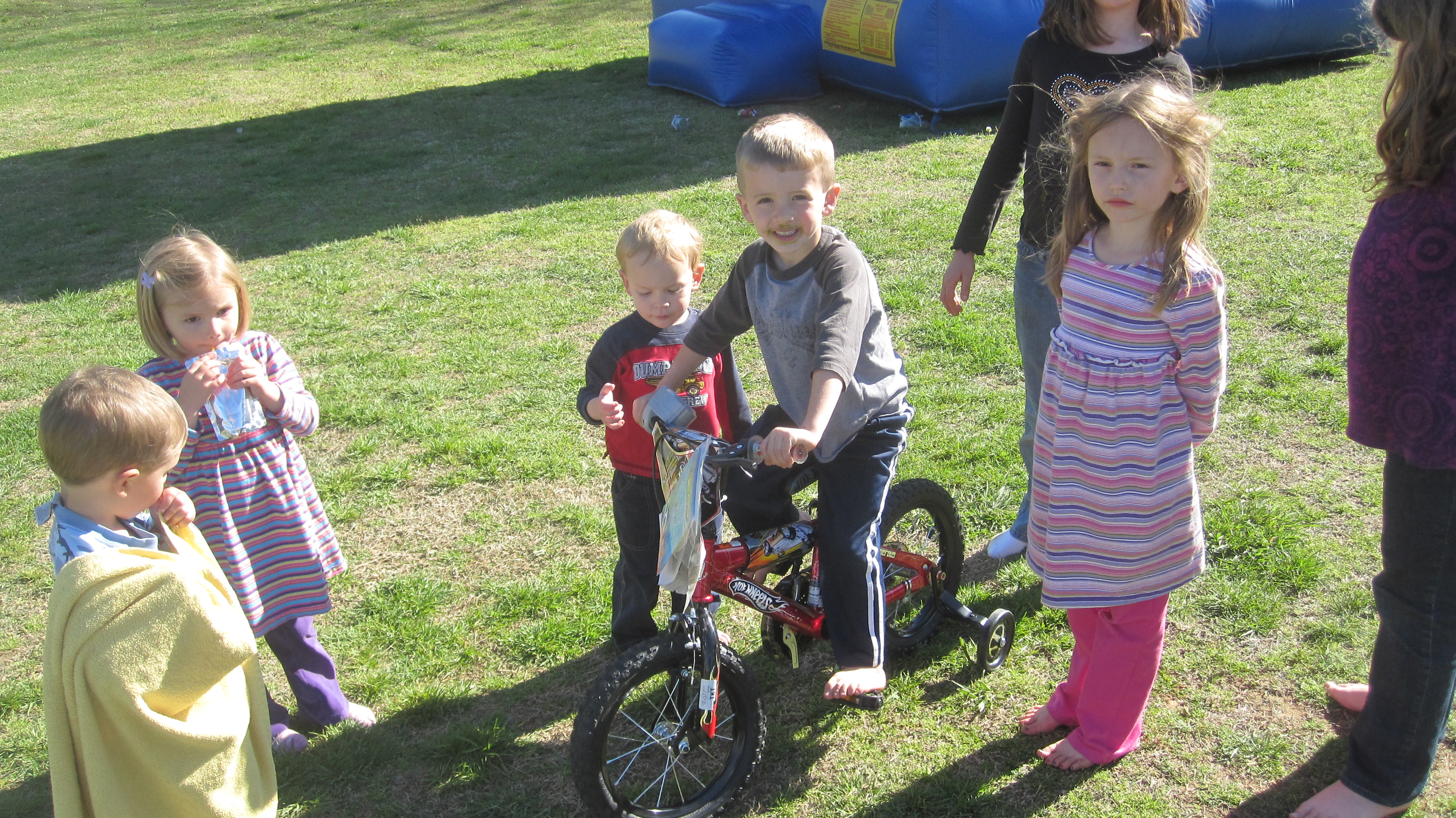
  What a great spring day for a triple birthday party on the farm.  Charles turned 5, cousin Violet turned 4, and cousin Leyna turned 14.   We went all out with huge inflatable slides, bounce house, and obstacle course.  Everyone enjoyed being outside and celebrating together. 

Sidenote:  A big shout out to Steve Spain, owner of Notable Events.  The wind blew our 70 ft obstacle course over and one of our blowers went down.  Both times, he was on the scene super fast to get us back up and running.

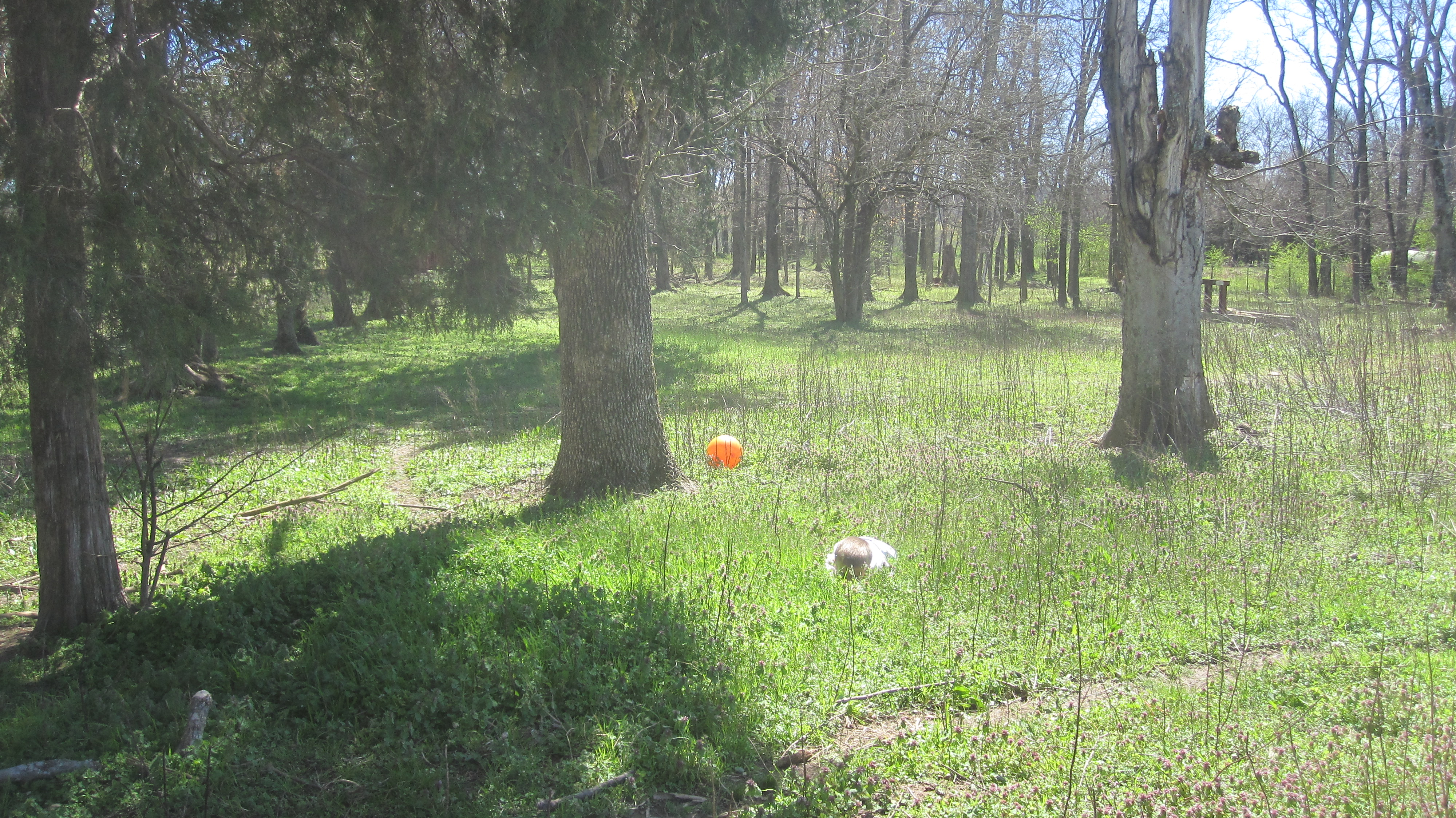
While talking to my Dad, I saw something slowly moving toward us in the grass.  Turns out it we were Jack Boone’s prey.  ; )